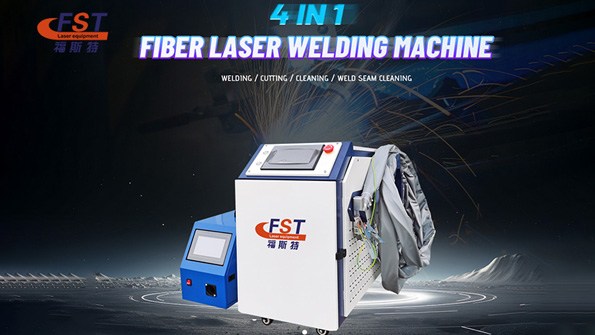
The primary consumables of the laser equipment are the protective lens and welding nozzle. With minimal consumable types, low cost, and simple maintenance requirements, no additional consumables need to be
replaced regularly.
FIRST Pre-Use Inspection and Maintenance
Before starting the equipment, operators are advised to perform a routine inspection of the protective lens on the welding head. As a key component in the laser output path, the cleanliness and integrity of the lens directly
affect laser transmission and welding quality.
If dust, fingerprints, moisture, welding spatter, or other contaminants are found on the lens surface, it should be cleaned promptly using dedicated lens-cleaning tools, or replaced if necessary.
Keeping the lens clean not only improves welding results but also prevents laser attenuation, focal shift, and other issues, thereby reducing defects at the source.
SECOND Precautions During Operation
During laser welding machine , it is recommended to maintain a clean working environment to minimize contamination from dust or metal particles on the lens and nozzle.
THIRD Post-Use Maintenance Measures
After completing the operation, it is advisable to protect the welding gun’s copper nozzle immediately. Use paper tape to seal the nozzle opening, effectively blocking dust, fumes, and other contaminants from entering the
laser head.
This simple step can significantly extend the service life of the protective lens, reduce secondary contamination caused by the environment, and ensure the equipment is in optimal condition for the next use.
FOURTH Regular Maintenance and Replacement Recommendations
Depending on the usage frequency and actual laser welder conditions, it is recommended to regularly inspect and maintain the protective lens and welding nozzle.
Generally:
Protective lens: Replace immediately if scratches, burn marks, discoloration, or stubborn stains are observed.
Welding nozzle: Replace when deformation, clogging, or abnormal airflow occurs to ensure stable gas flow and consistent weld quality.By establishing good daily maintenance habits, operators can effectively reduce
equipment failures, improve welding efficiency, and extend the overall service life of the equipment—bringing more stable and efficient performance to production.
Post time: Nov-24-2025

